STOW Flexible Cord (600V): The High-Visibility All-Weather Power Choice
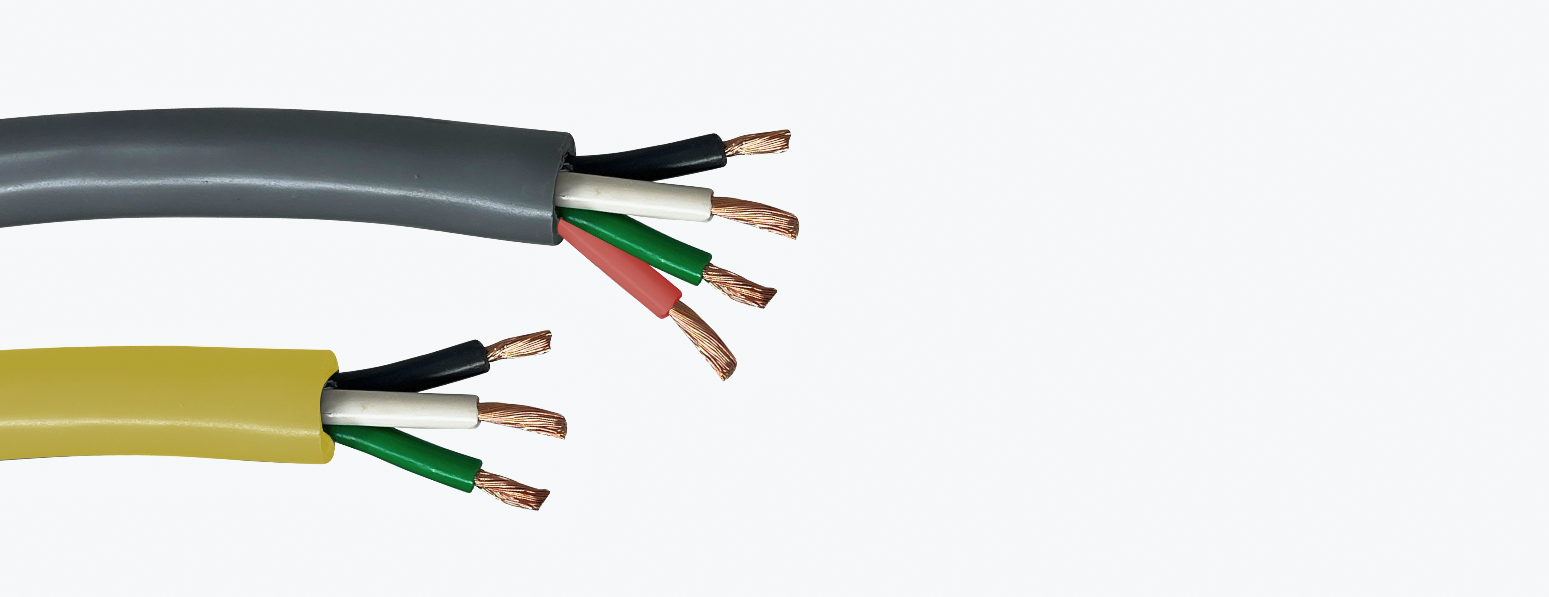
STOW is a heavy-duty thermoplastic portable power cord designed for 600V applications that require high visibility and excellent resistance to environmental factors. The "STOW" designation stands for: S (Service), T (Thermoplastic/PVC), O (Oil-resistant jacket), and W (Weather and water resistant). Unlike the rubber-jacketed SOOW, STOW features a specialized PVC outer jacket that is often preferred for its lighter weight, superior resistance to ozone, and its ability to be manufactured in high-visibility colors. This makes it a popular choice for construction site extension cords and portable power leads where the cord needs to be easily spotted to prevent tripping or accidental damage.
"The ultimate job site essential—lighter, tougher against the sun, and easier to spot than standard rubber cords, making it an excellent choice for custom extension leads and portable outdoor power."
Key Features
- 600V Professional Grade: Rated for higher voltage loads, making it suitable for industrial tools and temporary power distribution.
- Thermoplastic Durability: The PVC-based jacket provides excellent protection against abrasion, acids, and ozone degradation.
- Single Oil-Resistant Jacket: The outer jacket is specifically formulated to resist oil and grease, preventing the cord from swelling or becoming brittle.
- Weather & UV Certified: Fully rated for outdoor use (W-rating), maintaining its integrity under direct sunlight and in wet locations.
- High-Visibility Options: The thermoplastic material allows for bright safety colors (like yellow or orange) to enhance job site safety.
- Lightweight Construction: Generally lighter and easier to handle over long distances compared to equivalent rubber-jacketed cords.
- Full Regulatory Compliance: UL 62 and CSA C22.2 No. 49 listed for "Hard Usage" in accordance with National Electrical Code (NEC) standards.
Contractor’s Tip: STOW is your "best friend" for long extension runs. Because the PVC jacket doesn't "grip" the floor like rubber, it’s much easier to pull through a busy job site or around corners without it snagging on everything.
Common Applications
- Job Site Extension Cords: The primary choice for heavy-duty, high-visibility 600V extension cables on construction projects.
- Portable Lighting Systems: Used to power large halogen or LED work lights that require a durable, weather-resistant feed.
- Light Industrial Machinery: Ideal for powering portable compressors, vacuums, and floor maintenance equipment.
- Marine & RV Power Leads: Used for temporary power connections where UV resistance and moisture protection are critical.
- Commercial Laundry Equipment: Resistant to the moisture and heat typical of industrial washing and drying facilities.
- Temporary Sound & Stage Power: Provides a cost-effective 600V solution for outdoor events and festivals.
- Hospitality Maintenance: Used for portable buffets, mobile bars, and outdoor cleaning equipment in the hotel industry.
Installation Note
- STOW cord is an excellent choice for portable equipment, but because it uses thermoplastic (PVC) rather than thermoset rubber, it may become stiffer in extremely cold temperatures (below -20°C) compared to SOOW. When installing in areas where the cord will be dragged across rough surfaces, ensure the "Hard Usage" rating matches the level of mechanical stress expected. As with all portable cords, STOW is not permitted for permanent installation through walls, ceilings, or floors per NEC Article 400.


 Solid THHN/THWN-2 WireFrom $0.20/ft
 Solid THHN/THWN-2 WireFrom $0.20/ft