
From $0.20/ft

128 Products
-
 Solid THHN/THWN-2 WireFrom $0.20/ft
 -
 Solid THHN/THWN-2 WireFrom $0.20/ft
 - Solid THHN/THWN-2 WireFrom $0.20/ft
- Solid THHN/THWN-2 WireFrom $0.20/ft

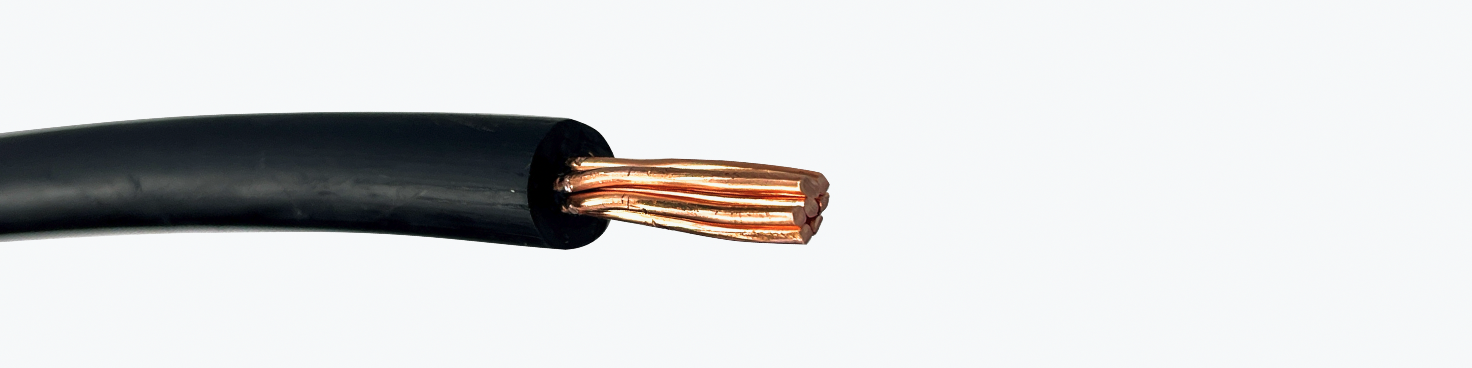
Cathodic Protection Cable is a specialized electrical cable used to prevent corrosion in metal structures that are underground or underwater, such as pipelines and storage tanks. It features a copper conductor and highly durable, corrosion-resistant HMWPE insulation. This cable delivers direct current (DC) as part of a system that sacrifices an anode to protect the main metal object from rust and degradation.
Cathodic Protection Cable works by transmitting direct current (DC) from a power source or sacrificial anode to the buried or submerged metallic structure. This process makes the protected structure the "cathode" in an electrochemical cell, causing the more active anode material to corrode instead of the valuable structure. The cable ensures stable and low-resistance electrical connection and its insulation prevents current leakage.
Cathodic Protection Cable is crucial for safeguarding various metal structures from corrosion in harsh environments. Common applications include:
HMWPE (High Molecular Weight Polyethylene) insulation is widely used for Cathodic Protection Cable due to its exceptional properties. It provides:
When selecting Cathodic Protection Cable, several key specifications are important for optimal performance and longevity:
While the core function remains the same, variations in Cathodic Protection Cable primarily involve the insulation material and construction for specific environmental demands:
Yes, Cathodic Protection Cable, especially those with HMWPE insulation, is specifically designed and rated for both underground and underwater applications. Its robust and corrosion-resistant insulation makes it ideal for direct burial in soil, even in harsh or chemically active ground, and for continuous submersion in fresh, brackish, or saltwater environments without degradation of its electrical or physical properties.
(833) 268-8644
Looking for a reliable US wire & cable supplier that sells HMWPE Cathodic Protection Cable by the foot? Wire America is a premier industrial cable distributor, providing Cathodic Protection Cable in bulk spools or cut to your exact length with fast shipping to keep your infrastructure projects moving forward smoothly.
Cathodic Protection Cable is a specialized electrical conductor designed specifically to prevent the corrosion of buried or submerged metallic structures, such as pipelines, storage tanks, and well casings. In these systems, the cable carries a low-voltage DC current to anodes, effectively turning the protected structure into a "cathode" to halt oxidation. Given the harsh environments of these applications, the cable features a unique dual-layer insulation system: a primary layer of Fluoropolymer (Halar/ECTFE) for extreme chemical and chlorine resistance, and an outer jacket of High-Molecular Weight Polyethylene (HMWPE) for superior moisture and abrasion protection. This combination ensures that the cable remains operational despite exposure to corrosive gases, brackish water, and acidic soils.
Installation Note: When installing cathodic protection cable, it is vital to avoid any nicks or scratches in the Halar insulation, as even a pinhole leak can allow corrosive gases to reach the copper conductor, leading to rapid failure (the "black wire" effect). When making splices or connections to anodes, always use specialized epoxy-filled splice kits or exothermic welding (Cadweld) to ensure the connection is 100% moisture-proof. Ensure the cable is laid with sufficient slack to account for soil shifting or thermal expansion/contraction in deep-well environments.
Get this thing filled up so you can help Wire America!