
MTW

MTW Wire, or Machine Tool Wire, is a type of flexible hook-up wire primarily used for internal wiring within industrial machinery, control panels, and various electrical appliances. It features stranded copper conductors for excellent flexibility, insulated with PVC for resistance to heat, moisture, oils, and abrasion. Typically rated for 600 volts, MTW wire often carries dual ratings like AWM or TEW, making it a versatile and durable choice for demanding industrial and commercial applications.

Filters

0 Products

FIlters

Have Questions?

Call Us. Icon

Call Us.

(833) 268-8644

Email Us

MTW, or Machine Tool Wire, is a flexible hook-up wire primarily used for internal wiring within industrial machinery, control panels, and various electrical appliances. It features stranded copper conductors for excellent flexibility and PVC insulation for resistance to heat, moisture, oils, and abrasion.

MTW stands for Machine Tool Wire. This designation reflects its primary application in wiring machine tools, industrial control equipment, and other demanding industrial environments.

MTW wire is commonly used for internal wiring in a variety of industrial and commercial settings. Typical applications include:

  • Machine tool wiring
  • Control cabinet wiring
  • Appliance wiring
  • Industrial equipment connections
  • General control panel wiring

MTW wire offers several important features that make it suitable for demanding applications:

  • Flexibility: Stranded copper conductors provide excellent flexibility, making it easier to route in confined spaces.
  • Resistance: PVC insulation offers strong resistance to heat, moisture, oils, chemicals, and abrasion.
  • Durability: It is designed to withstand vibration and complex wiring environments often found in industrial settings.
  • Versatility: Many MTW wires carry dual ratings like AWM or TEW, expanding their range of suitable applications.

MTW wire is typically rated for 600 volts. Its temperature ratings depend on the application environment:

  • Dry locations: Up to 90°C (some constructions may be rated up to 105°C).
  • Wet locations: Up to 60°C.

MTW and THHN wires are designed for different primary environments and applications.

  • MTW is engineered for dynamic, potentially oily, and vibration-prone environments inside machines and control cabinets, offering superior flexibility due to finer stranding.
  • THHN (Thermoplastic High Heat-resistant Nylon-coated) is designed for static, protected (but potentially wet) environments inside conduit within buildings, often featuring a nylon jacket for enhanced abrasion resistance.

MTW wire is primarily intended for internal wiring of industrial machinery, control panels, and appliances, as specified by the NEC and NFPA Standard 79. While it can be used for short conduit runs within machinery or panels, it generally lacks the damp location rating and abrasion-resistant nylon jacket of wires like THHN, which are more commonly used for general building conduit applications.

Call Us. Icon

Call Us.

(833) 268-8644

Email Us

MTW / UL 1015 Hook-Up/Lead Wire

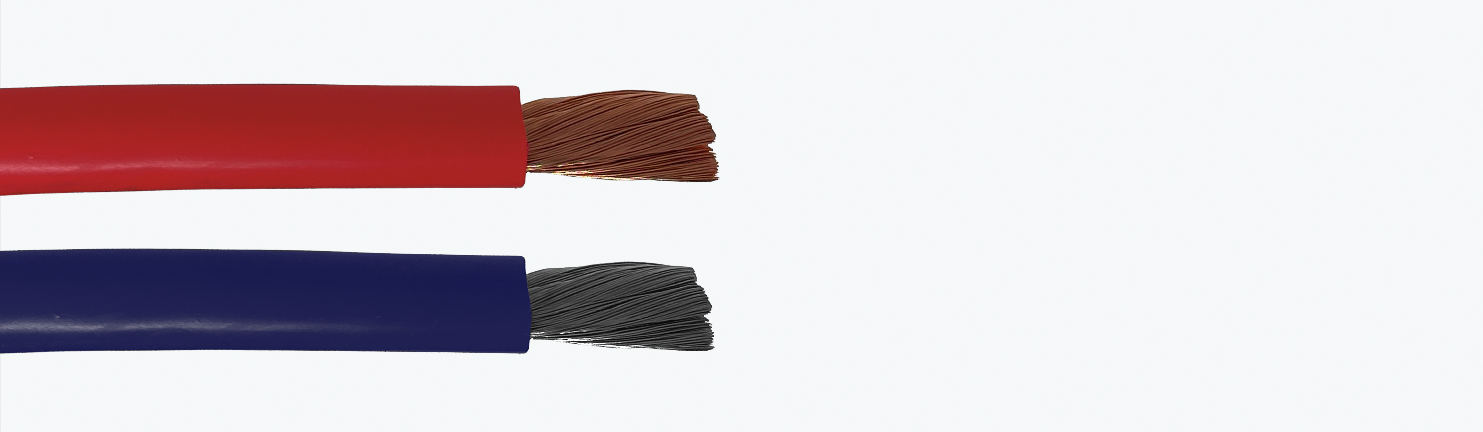
MTW (Machine Tool Wire) is a high-performance industrial conductor engineered specifically for the internal wiring of appliances, transformers, and control cabinets. Certified under UL 1015 and UL 1063 standards, this wire features a flexible, moisture-resistant PVC (Polyvinyl Chloride) insulation that is designed to withstand the vibration and mechanical stress common in automated machinery. With a 600V rating and a high-heat threshold of 105°C, MTW provides superior electrical integrity for power, signal, and control circuits. Its high strand count offers excellent flexibility, allowing for easy routing through tight wire ducts and around sharp bends in dense electrical assemblies without risking conductor fatigue.

MTW vs. THHN - The Flexibility Factor: The most significant advantage of MTW over standard THHN building wire is its high strand count. While THHN is stiff and difficult to bend, MTW’s fine-strand copper allows for effortless routing through tight wire ducts and around sharp corners without risking conductor fatigue or "spring-back." Additionally, MTW carries an oil-resistance rating that exceeds standard building wire, making it essential for CNC machines, hydraulic presses, and cooling systems.
Key Features
  • Dual Rated (MTW & UL 1015): Meets both Machine Tool Wire (UL 1063) and Appliance Wiring Material (UL 1015) standards for maximum versatility.
  • 105°C Heat Resistance: Rated for continuous operation in high-temperature environments, providing a safety margin above standard building wire.
  • High-Flex Stranding: Features a higher strand count than standard THHN, making it significantly easier to manipulate in confined control panels.
  • Chemical & Oil Resistant: The specialized PVC jacket is formulated to resist degradation from industrial oils, coolants, and common solvents.
  • Moisture & Flame Retardant: Specifically engineered to prevent the spread of fire and maintain insulation properties in damp industrial settings.
  • Tinned Copper Options: Available with tinned copper conductors for maximum corrosion protection and easier soldering.
  • Vibration Resistant: High-flex stranding prevents wire brittleness and breakage in high-motion applications like robotics and conveyors.
  • Full Compliance: Manufactured to meet UL, CSA (TEW), and NFPA 79 standards for industrial machinery and electrical equipment.
Common Applications
  • Industrial Control Panels: The primary choice for wiring relays, contactors, and PLCs in automated manufacturing systems.
  • Machine Tool Wiring: Used for internal power and signaling in CNC machines, lathes, and industrial presses.
  • Appliance Internal Leads: Found in large household and commercial appliances, including ovens, refrigerators, and HVAC units.
  • Transformer & Motor Leads: Ideal for high-heat internal connections within electric motors and power transformers.
  • Automotive Assembly Lines: Deployed in the robotics and control systems of modern vehicle manufacturing facilities.
  • HVAC Control Circuits: Used for internal wiring of thermostats, sensors, and blowers in commercial climate control systems.
  • Electronic Equipment Power: Suitable for internal power distribution in server racks and high-output power supplies.

Installation Note: MTW is intended for use within equipment, raceways, or conduits. Unlike SIS wire, MTW is highly flexible; however, ensure that all terminations utilize ferrules or pressure-plate terminals. Because MTW uses fine-strand conductors, a standard screw-down terminal can splay the strands, leading to a weak connection and potential overheating.